What's new in the field of AI – and who owns the truth?
Artificial intelligence is developing rapidly – models are becoming more complex, applications more versatile, and AI agents are increasingly working autonomously in companies and work processes. According to current forecasts, 2026 will be the year in which AI systems evolve from "digital assistants" to active work partners, making their own decisions in many applications. At the same time, leading research institutions warn that this development makes critical thinking and responsible use even more important. Because AI is powerful – but not neutral.
Who owns the truth?
AI models work on a probability basis: They calculate answers from patterns in their training data – not from objective truth. Current research clearly emphasizes: AI does not provide facts, but rather probable answers based on past data.
Results are shaped by training data, algorithms, and human decisions. This can lead to or exacerbate misinformation, distortions, or manipulation. Particularly dangerous: realistic-looking deepfakes, which will become even more widespread and credible in 2026.
In short: AI can simulate reality – but it cannot possess it. Truth remains human.

How do we handle this responsibly?
Since AI cannot assume responsibility, the duty of reflection remains with humans. Experts recommend:
1) Remain critical – check every AI response
Even the most advanced models can distort or produce errors. Check sources, cross-read content – especially with sensitive topics.
2) See AI as a tool, not as a system of truth
Current research emphasizes that AI systems must be evaluated, not glorified: The focus is shifting from "What can AI do?" to "How good, for whom, and with what risks?"
3) Strengthen media literacy
As deepfakes become commonplace, digital competence is needed to distinguish reality from AI fiction.
4) Take responsibility
Decisions, assessments, and ethical considerations always lie with humans – not with algorithms. AI can provide support, but it cannot act morally.
FAQ - Frequently Asked Questions
Does AI deliver objective truth?
No. AI calculates the most probable answer from available data – not a certain truth.
Why can AI generate erroneous content?
Because it can amplify biases, gaps, or errors in data and algorithms.
How do we protect ourselves from misinformation?
Through source verification, critical thinking, and digital media literacy. Deepfakes will become even more realistic in 2026.
Can AI assume responsibility?
No. Decisions and ethics always remain with humans.


This is how workplace health promotion strengthens companies
Blog english
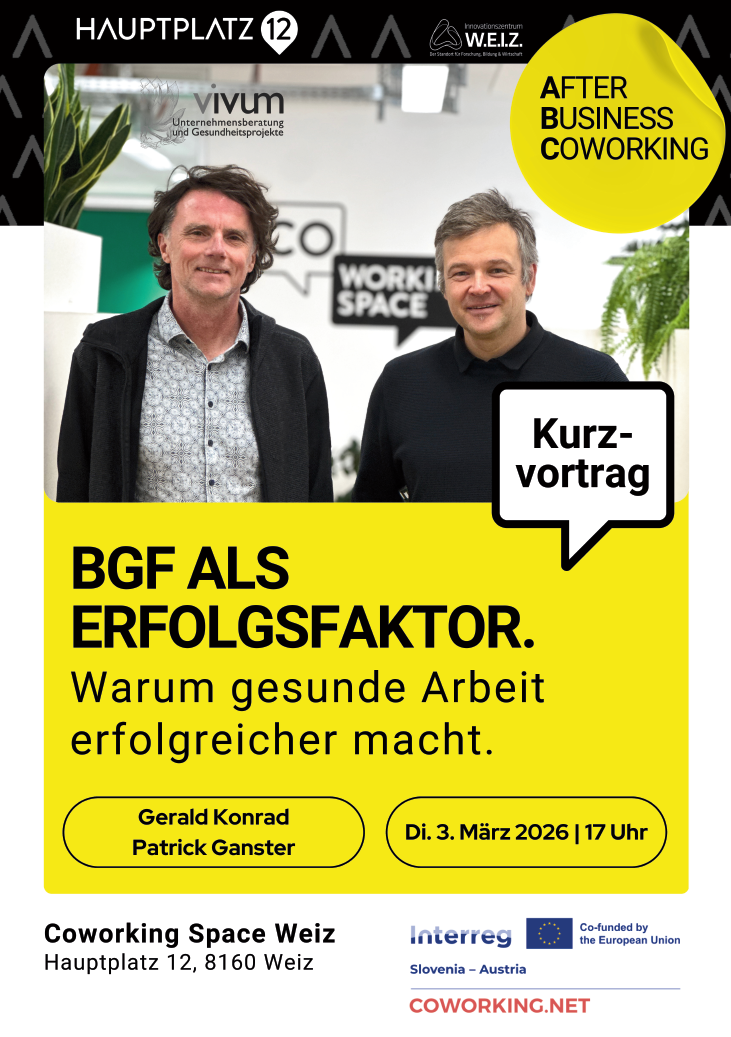
Workplace health promotion strengthens trust, motivation, and collaboration among all employees – thus becoming a genuine success factor. When workplace health promotion measures noticeably ease the daily work routine, they foster a sense of self-efficacy that sustains teams in the long term. Gerald Konrad and Patrick Ganster from Vivum Unternehmensberatung OG explain in a short interview what is important in workplace health promotion and how healthy working conditions support people, reduce friction, and make companies more stable and future-proof.
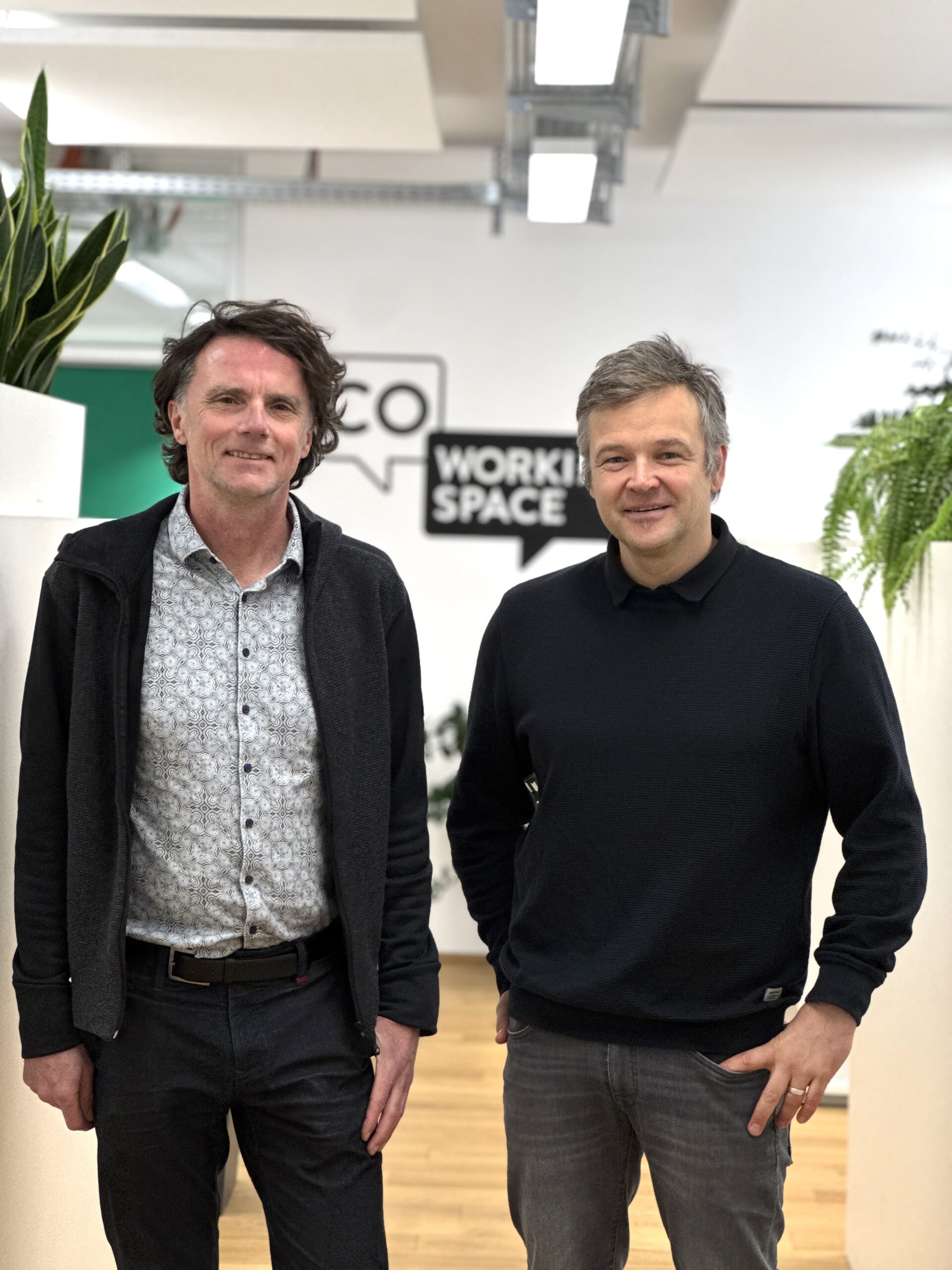
Why is workplace health promotion (WHP) important for business success?
Workplace health promotion helps you make visible what strengthens people and your organization: resources, skills, and scope for action. When meaning, appreciation, and self-efficacy become tangible in everyday work, trust develops. And this trust is precisely the foundation for sustainable business success.
Which workplace health promotion measures are particularly effective?
Effective measures are those that truly impact your daily work and make targeted use of existing resources. Good leadership, respectful communication, clear processes, and a conscious approach to stress strengthen self-efficacy where it counts: in daily activities. Health promotion is effective when it noticeably makes work easier—not when it adds to the burden.
How do employees and companies benefit in the long term from health-promoting working conditions?
Employees gain security, energy, and confidence in their own effectiveness. Your company benefits from stable teams, less friction, and greater cohesion. Health-promoting working conditions create a culture in which people stay, take responsibility, and achieve success together.
🗓 Event Tip: Want to know more? Then come to the ABC Talk at the coworking space Hauptplatz12 in Weiz on March 3, 2026, starting at 5 p.m.

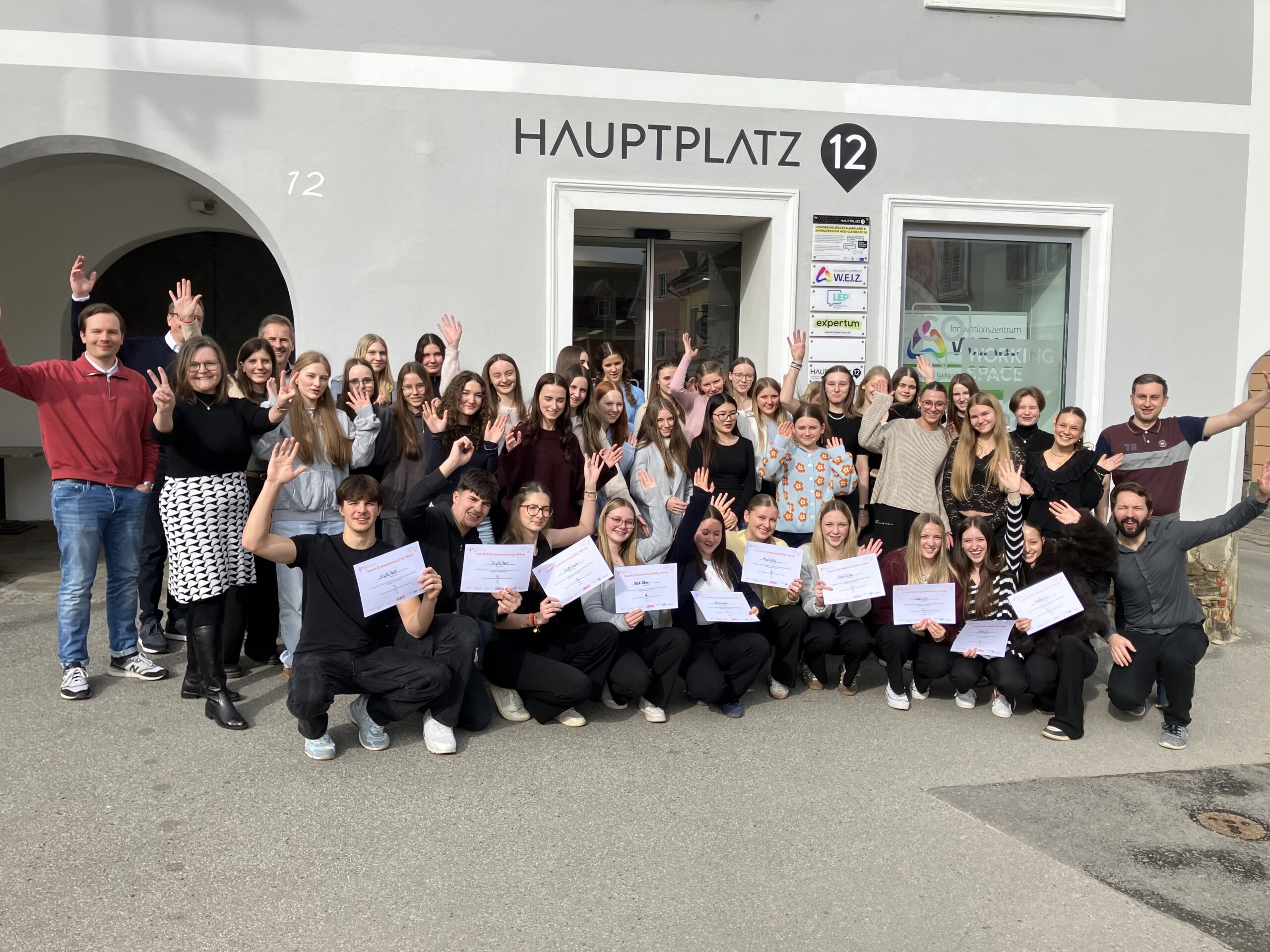
Creativity meets entrepreneurial spirit: HLW FSB Weiz impresses at Entrepreneurship Week 2026
Blog english
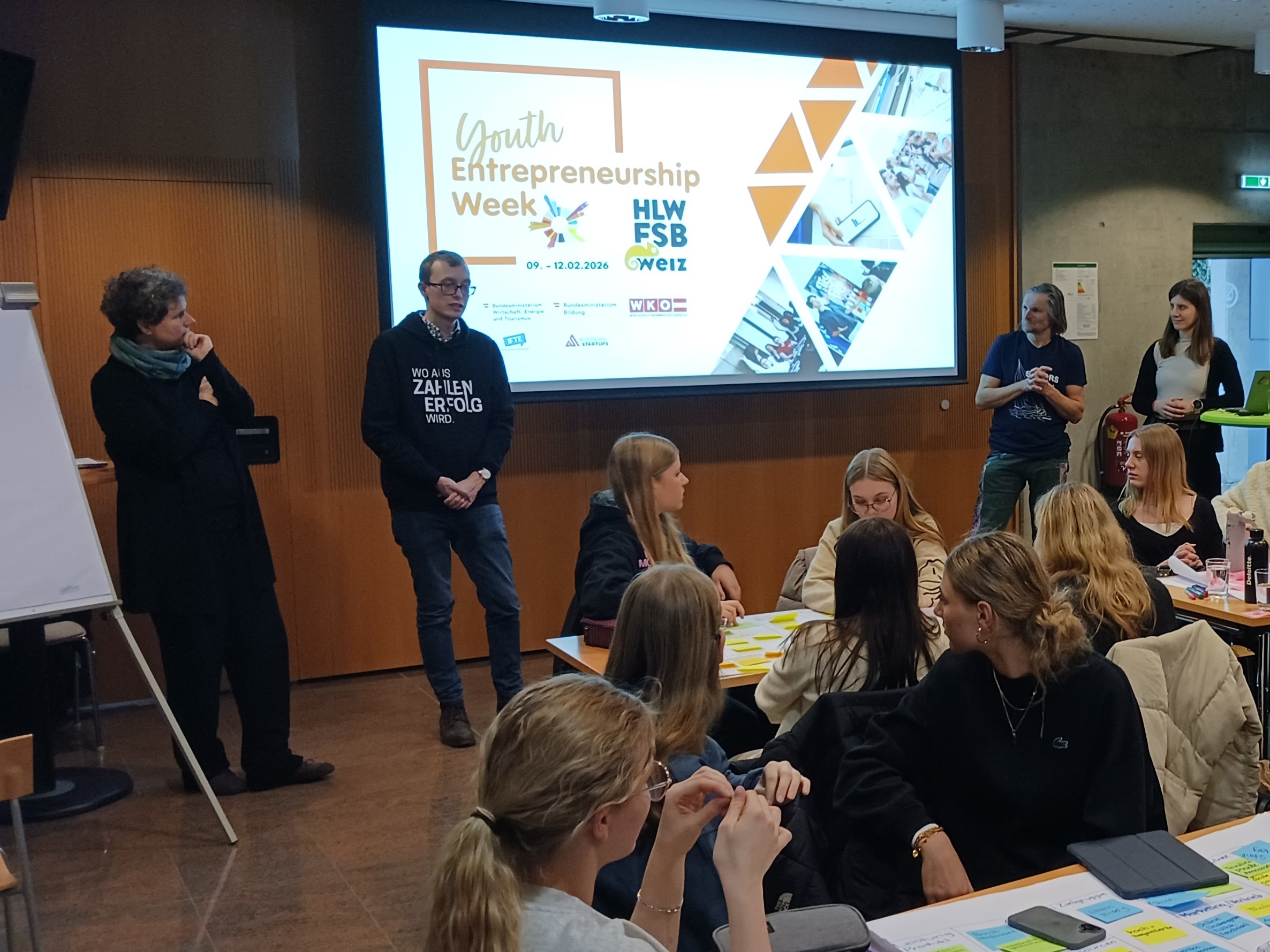
For four days, Weiz was all about innovation, teamwork, and entrepreneurial thinking: From February 9th to 12th, 2026, the HLW FSB Weiz hosted this year’s Youth Entrepreneurship Week – for the first time spread across two inspiring locations: the W.E.I.Z. Innovation Center and the coworking space at Hauptplatz 12.
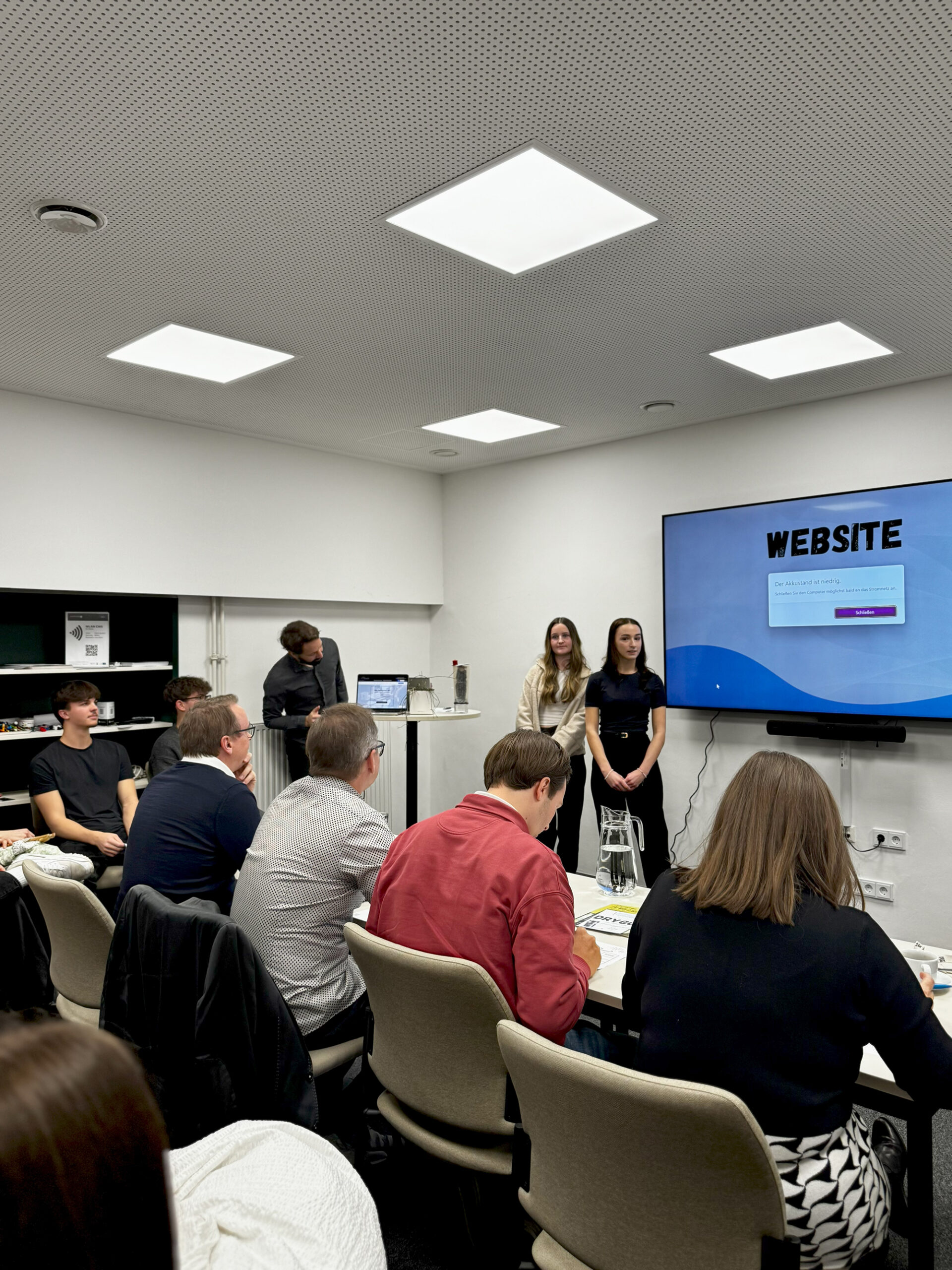
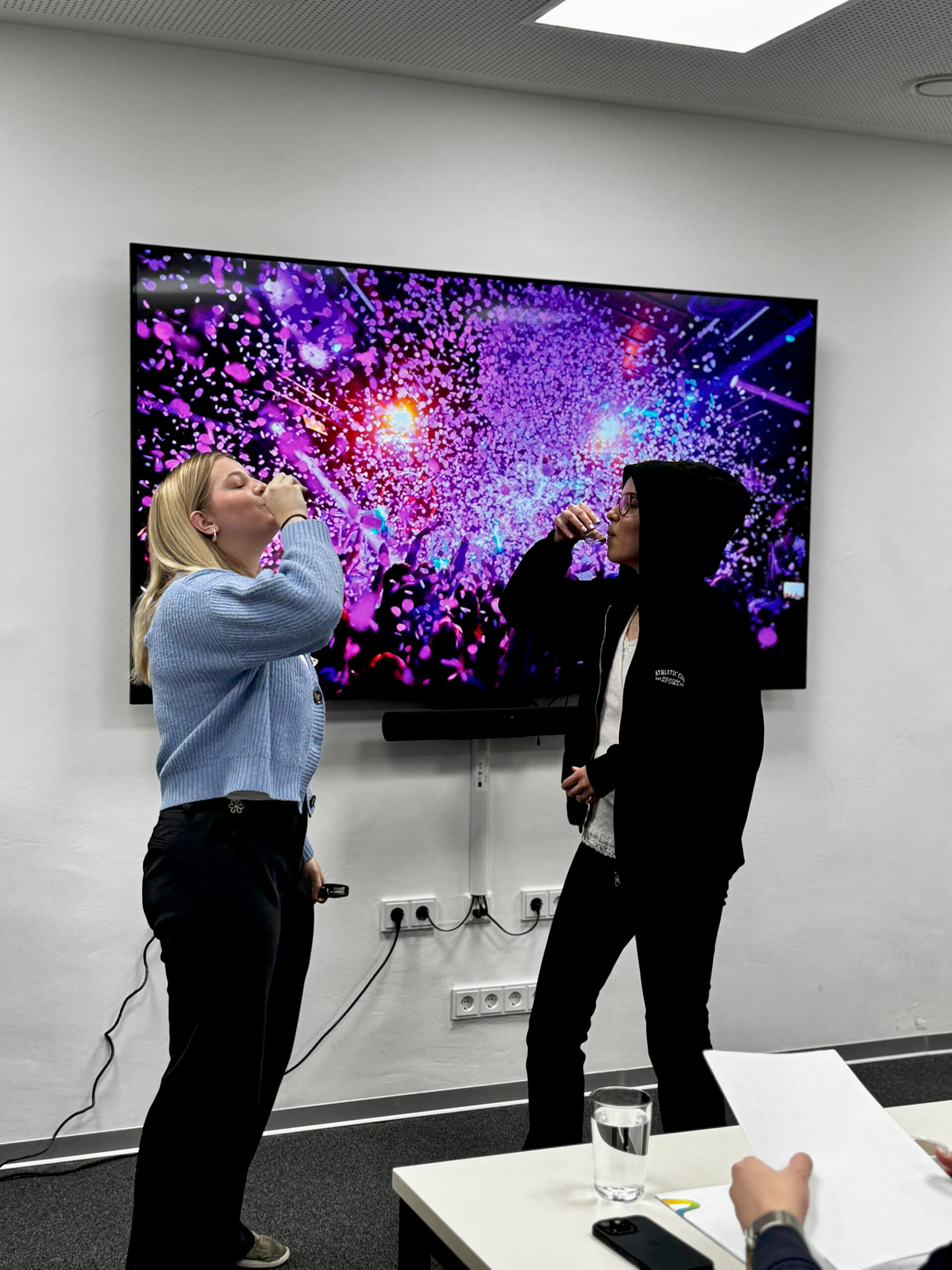
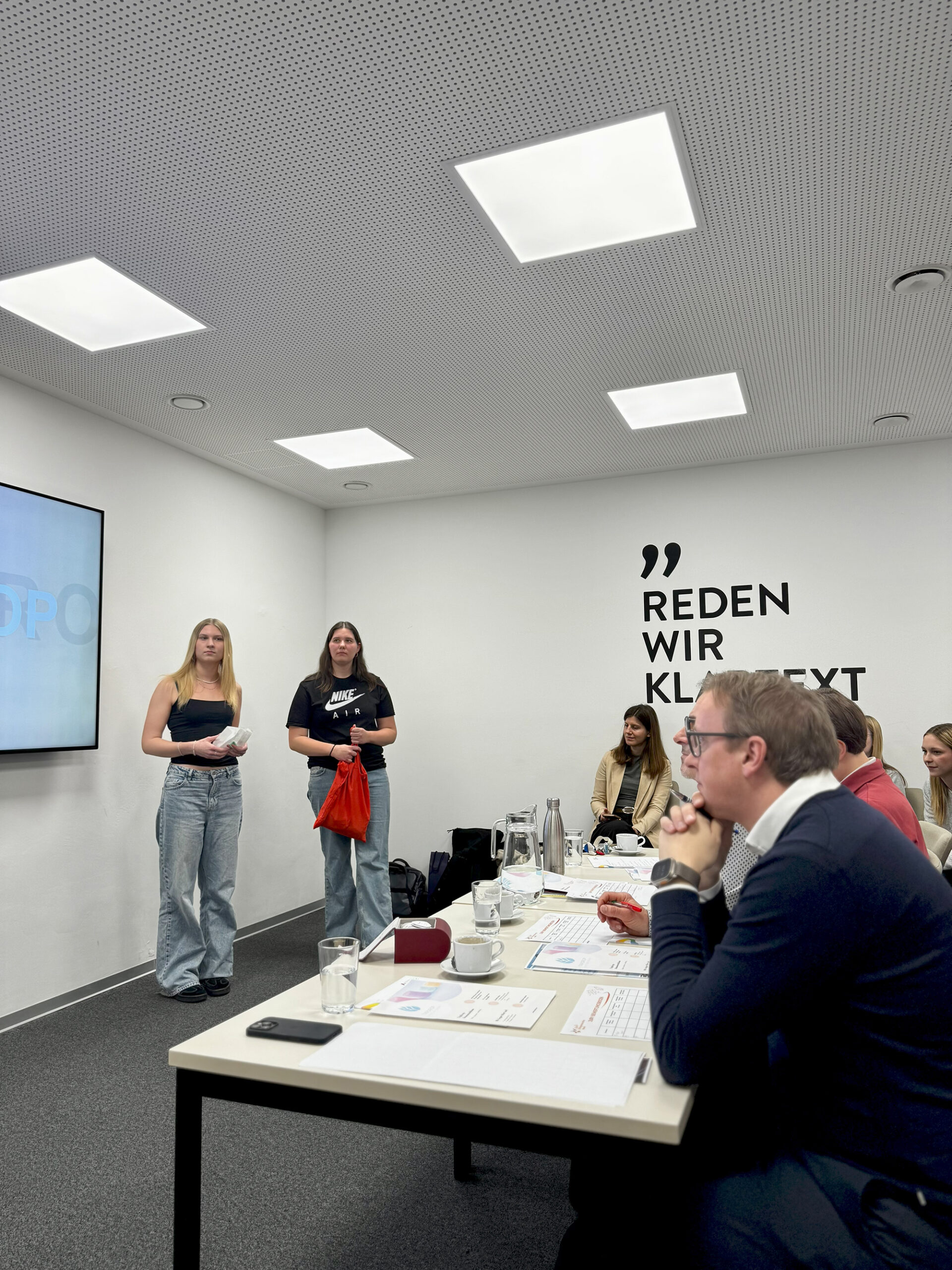
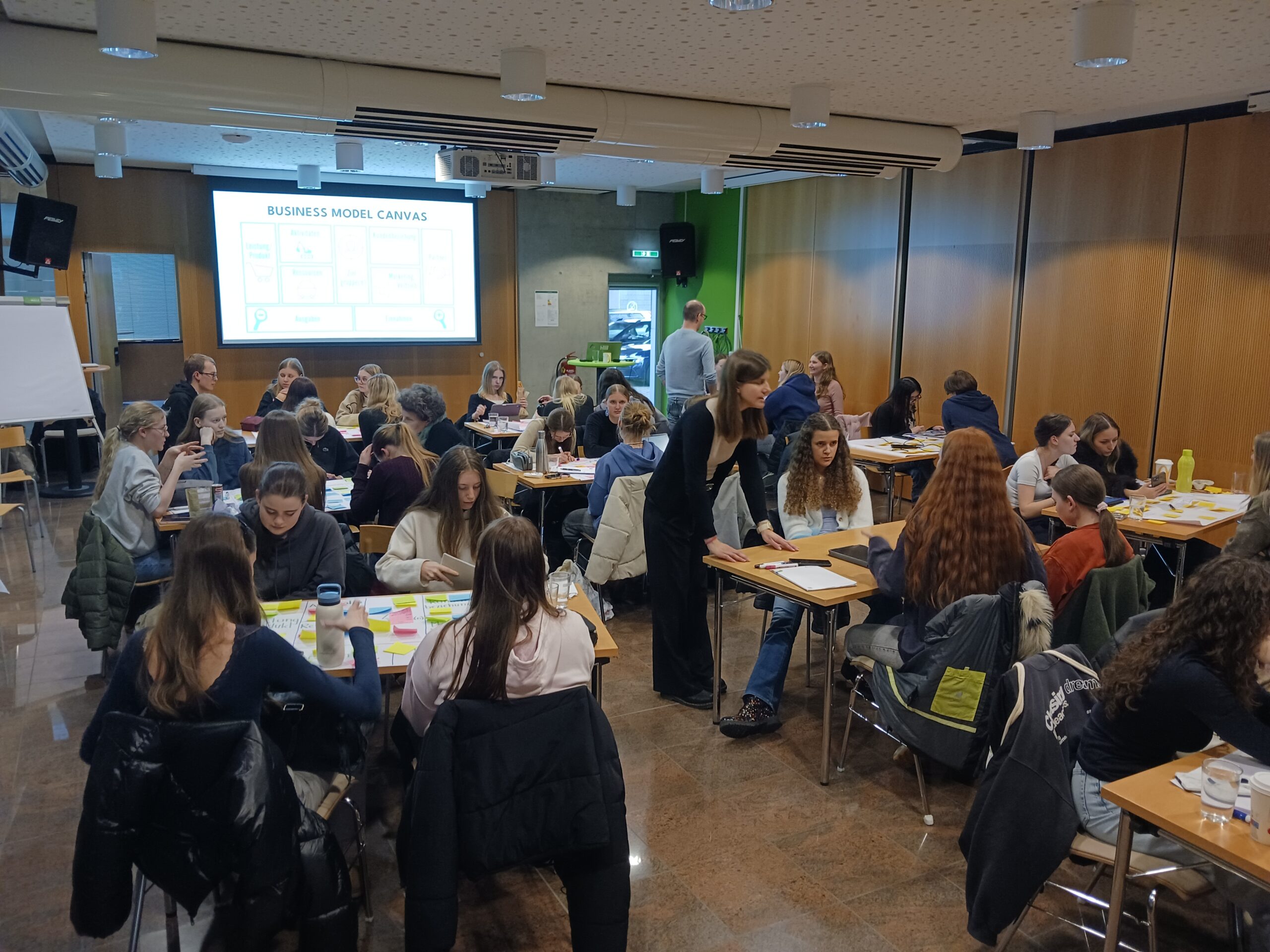
The Youth Entrepreneurship Week is part of an Austria-wide initiative that supports young people between the ages of 15 and 19 in developing creative project ideas and building entrepreneurial skills. The 42 participating third-year students worked in teams on real-world challenges from their everyday lives and went through a complete innovation process – from brainstorming to the final pitch before a jury.
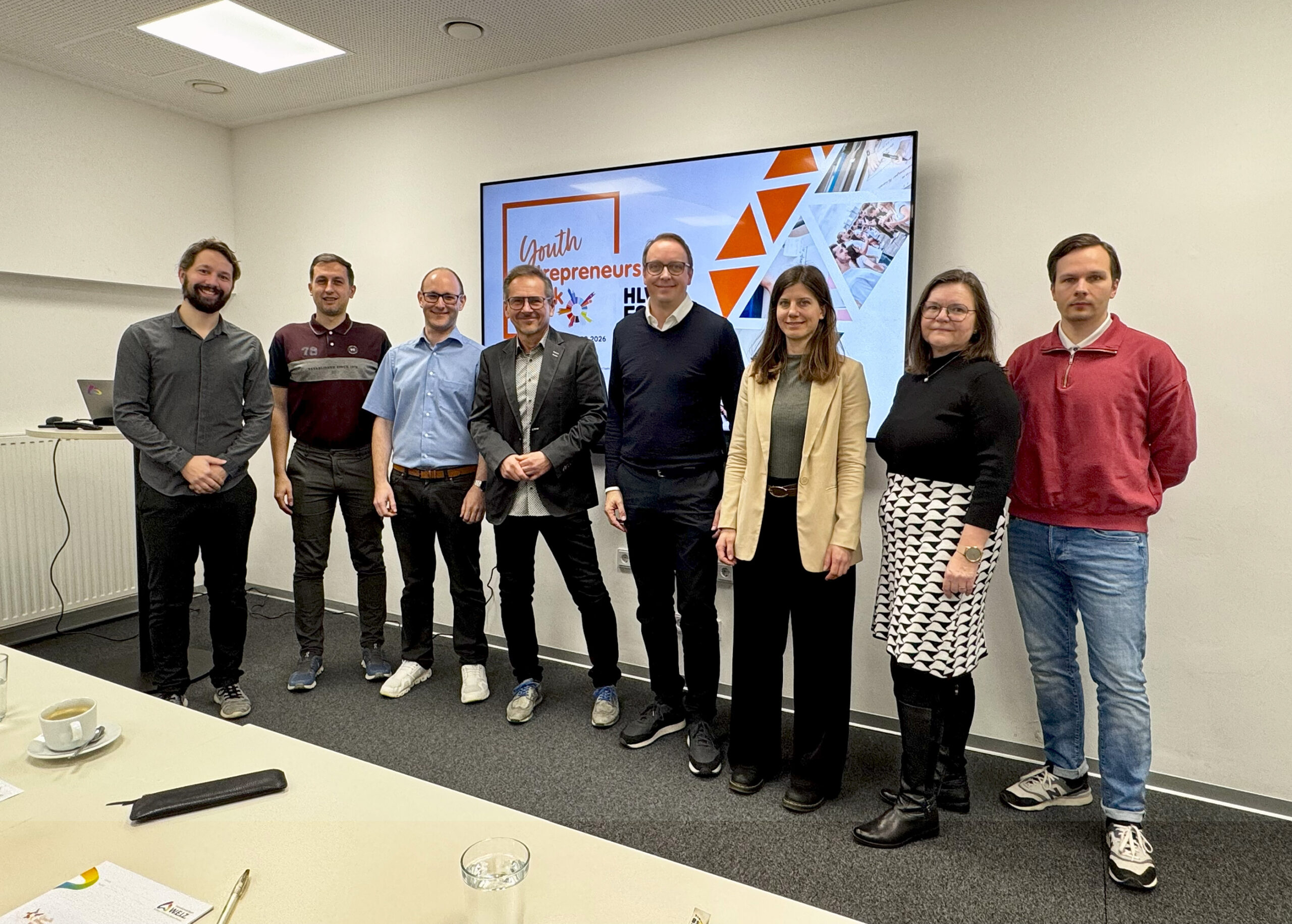
The young people were accompanied by coaches Marlene Wohlmuth and Stephan Pessl, as well as regional entrepreneurs who, as mentors and jury members, shared valuable insights into the world of entrepreneurship. The results were impressive: prototypes, concepts, apps, and creative business ideas generated enthusiasm among all participants.
YEW impressively demonstrates the immense innovative power of young people – and the importance of spaces that foster creativity and future-oriented thinking.